

A Lifetime in the Hay Fields: Lessons from 96-Year-Old Farmer W. Beverly Fletcher
At 96 years old, W. Beverly Fletcher is still farming, a lifetime rooted in the land. While his grandson now manages most of the day-to-day work, Beverly continues to tend about 600 acres of hay each year.
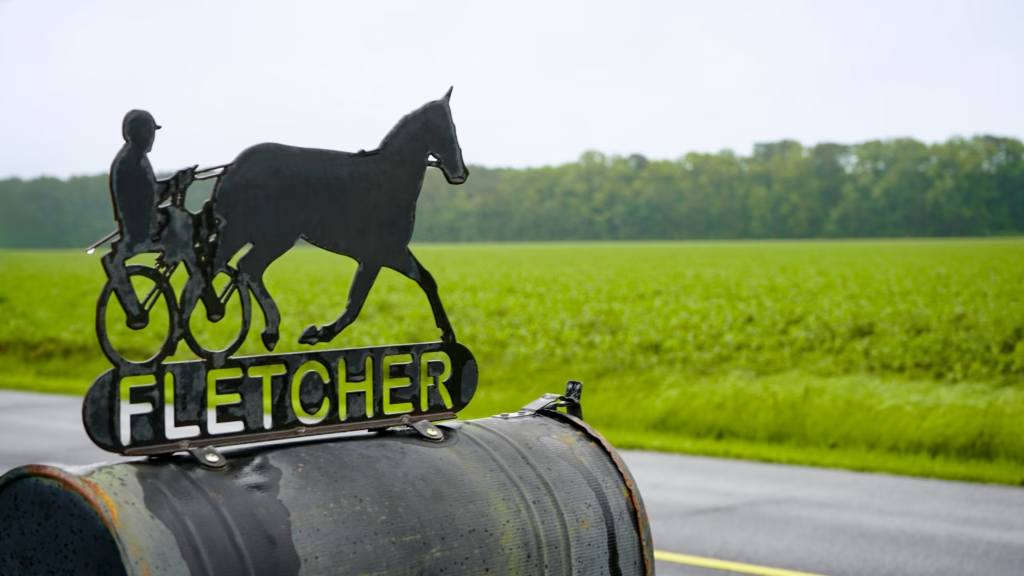
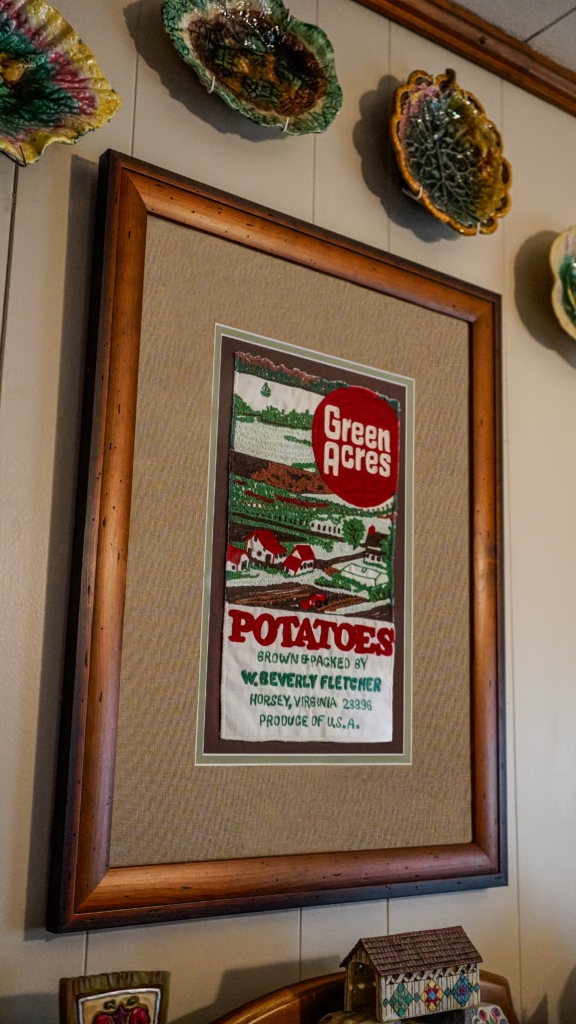
Beverly’s farming story began just after college, at age 24, and has spanned more than seven decades. Over the years, he’s raised potatoes, string beans, and grain; kept a herd of cattle; and even bred and trained racehorses. For more than thirty years, hay production has been at the heart of his operation, which today includes around 1,000 acres of owned and leased land, both wooded and tillable.
Equipment That Keeps You Farming Longer
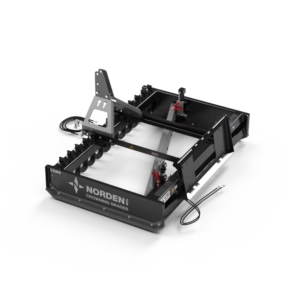
Like many farmers, Beverly has seen farm equipment evolve over the years and he’s not shy about trying something new if it saves time and trouble. He’s used New Holland balers for decades, but it was a magazine ad that first caught his attention for a Norden Mfg bale accumulator. At the time, nobody in his area had one, so he called the manufacturer, Kuhns Mfg now Norden Mfg, and talked directly to the owner, Kenny Kuhns. The price, around $7,000 to $8,000 back then, didn’t scare him off.
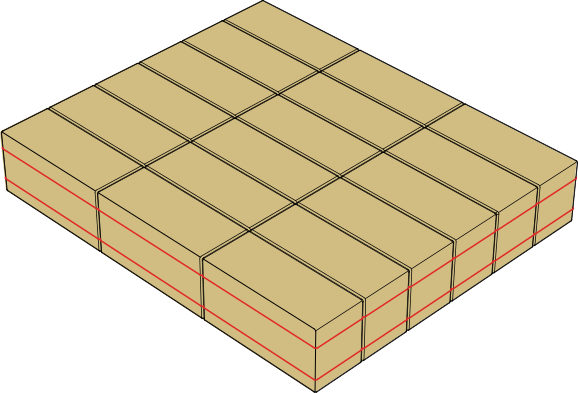
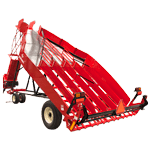
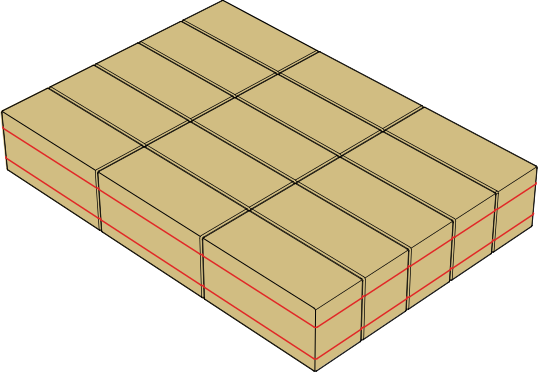
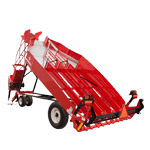
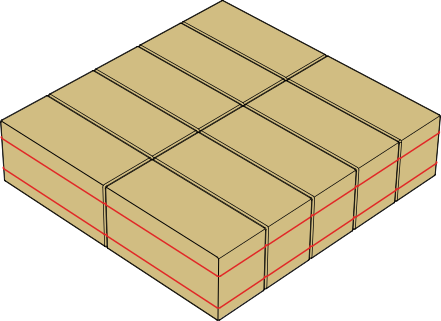
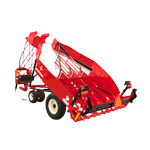
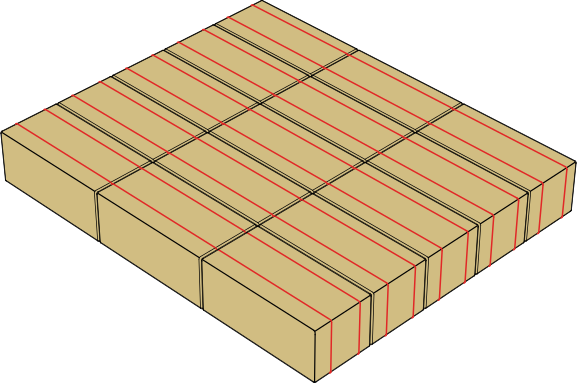
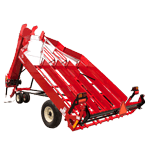
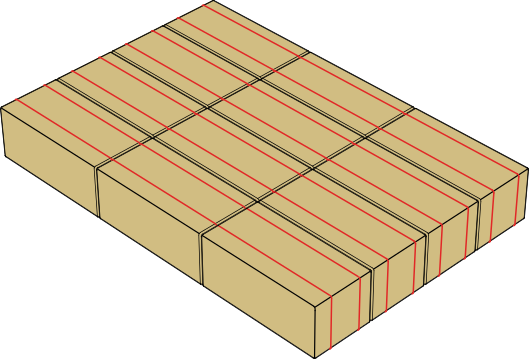
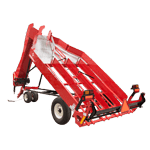
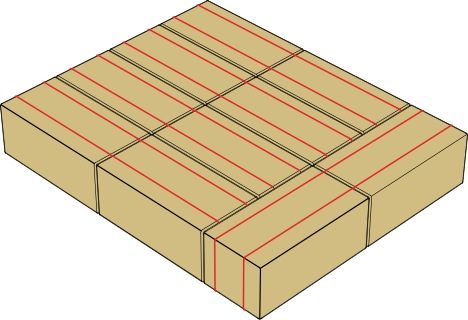
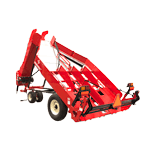
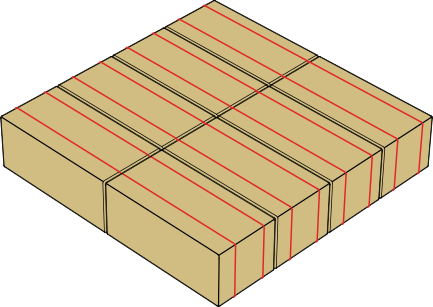
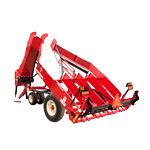
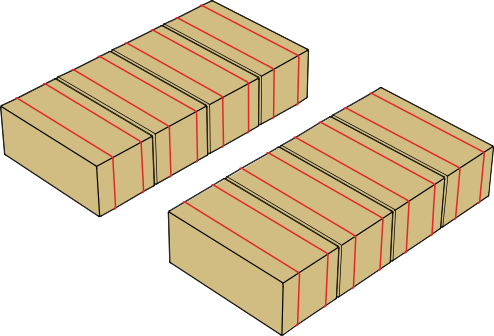
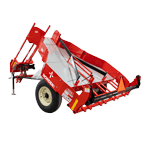
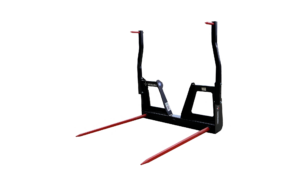
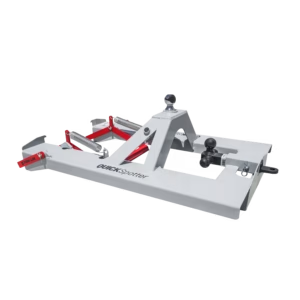
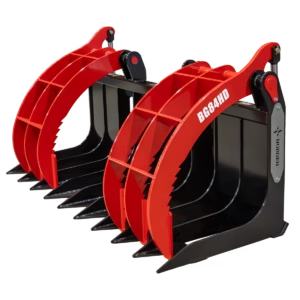
That first accumulator worked, but had its frustrations. Wide turns would cause bales to slip out and jam, costing valuable time to fix. When Beverly heard about improvements to the design, he traded in his old one for the updated AF10 in 2022. The new accumulator solved the turning problem, by adding an open-top design for easy bale removal, and made the whole process a pleasure to use. He also added a 10-bale grabber for his John Deere, allowing him to put up 15 acres, or 800–900 bales, a day with fewer helping hands.
Lessons in Haymaking
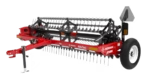
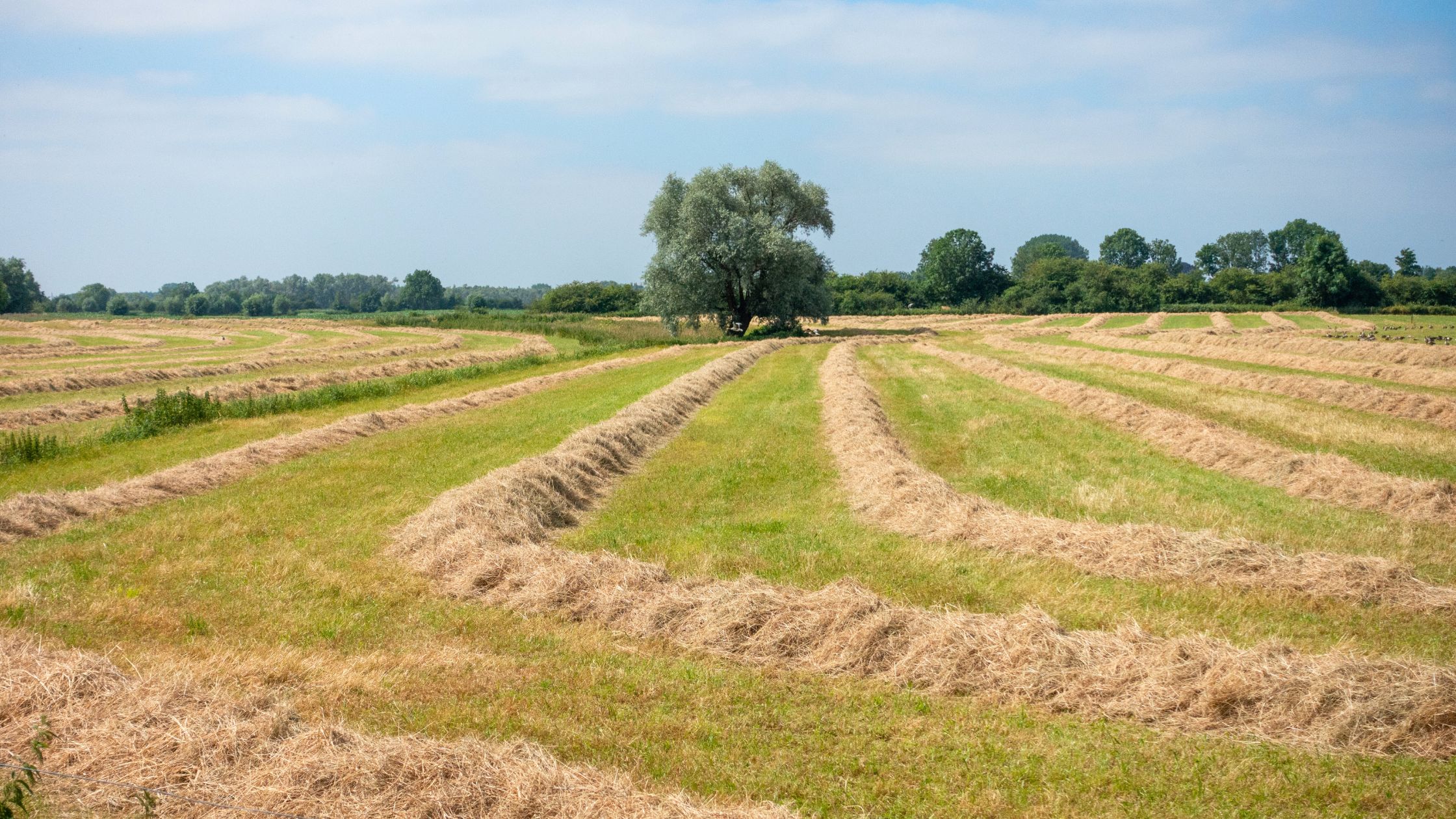
Beverly has fine-tuned his haymaking process to match the unpredictable weather in his area. “It takes five days to cure hay here,” Beverly explains. He cuts one day, tedders the next, sometimes lets it rest, then rakes and bales on the fifth day. The tedder is especially valuable: “If it rains, you can save your hay with it. I suggest everybody get a tedder.”
When it comes to accumulator setups, his advice is straightforward: match your equipment sizes to your operation. His rake, baler, and accumulator are all about nine feet wide. For storing hay, he prefers bales on edge. He says it cures better that way. Beverly also still swears by sprinkling salt on wooden barn floors before stacking to improve curing and aroma.
hay for horses vs. hay for cattle
Beverly has grown alfalfa in the past but now focuses on grass hays like ryegrass, orchardgrass, and a little ladino clover. From his experience raising and racing cart horses he is cautious with alfalfa for horses, noting its high protein content can cause founder. “For cows, especially dairy, it’s great,” he says. “For horses, grass hay is safer.” Timothy hay remains a favorite for horse owners, though it can be expensive and finicky to grow.
minimal breakdowns, maximum efficiency
In all his years using the new accumulator and grabber, Beverly says breakdowns have been rare. Any bale problems usually trace back to the baler, not the accumulator. The system has kept him farming longer, saved him time, and made haymaking more efficient.
Advice for the Next Generation Of Hay Producers
Beverly’s farming wisdom comes down to matching your tools and methods to your operation, being willing to try new equipment when it solves problems, and knowing the needs of the animals you’re feeding.